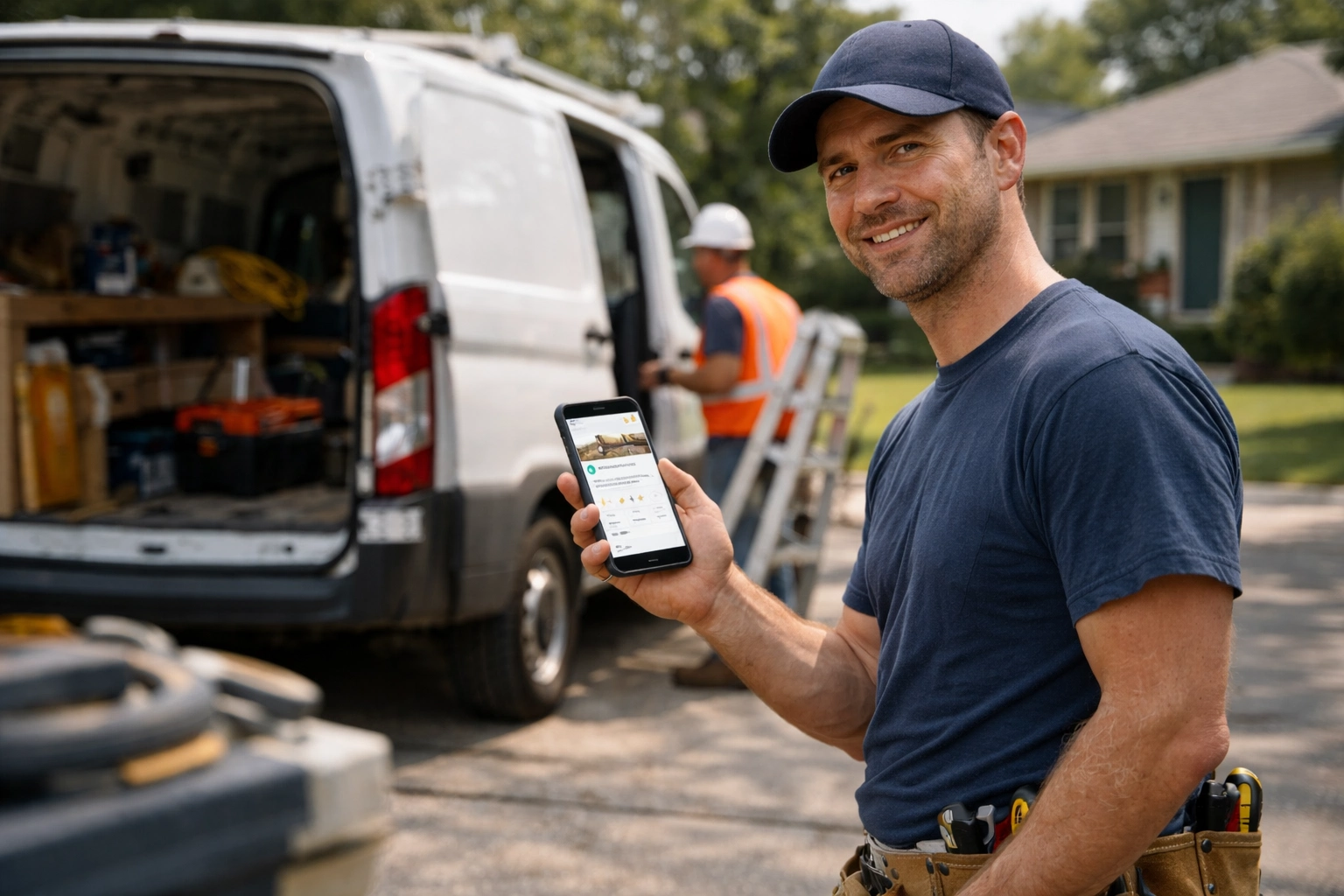
Your online client experience can make or break a project deal. From your website’s first impression to your follow-up emails, every interaction shapes how prospects see your business. When contractors streamline their digital journey—clear navigation, fast responses, and trust-building content—they turn casual visitors into loyal clients.
Key takeaways:
- Map the client journey from first visit to signed contract.
- Build a mobile-friendly, easy-to-navigate website with clear CTAs.
- Use simple lead forms and fast, personalized replies.
- Automate follow-ups to keep leads warm and consistent.
- Collect and apply client feedback to improve every touchpoint.
- Track performance metrics to refine your online process over time.
A seamless online experience builds credibility, shortens sales cycles, and helps contractors secure more projects with less effort.

The digital landscape has transformed the way construction businesses attract and convert clients. For contractors, having a website or online presence is no longer enough. Prospective clients expect a seamless, professional experience from the moment they discover your business online to the time they sign a contract. Optimizing the online client experience can be the difference between winning projects and losing leads to competitors. This guide explores strategies contractors can use to map the client journey, streamline communication, and improve conversions.
Why the Online Client Experience Matters for Contractors
First impressions matter, especially online. When a potential client lands on a contractor’s website, they form an opinion within seconds. A site that is confusing, slow, or difficult to navigate can drive leads away before a contractor has the chance to showcase their expertise. On the other hand, a website that is clear, visually appealing, and easy to use reinforces trust and professionalism.
Beyond the website, every touchpoint with a prospective client contributes to the overall experience. Emails, phone calls, follow-ups, and online forms all play a role in how your business is perceived. Contractors who prioritize a positive client experience create a sense of reliability and responsiveness that sets them apart from competitors.
Optimizing the online client experience directly impacts conversions. A well-designed journey reduces friction, encourages engagement, and ultimately increases the number of inquiries that turn into signed contracts. Contractors who invest in refining their digital interactions see tangible results in both leads and revenue.
Understanding the Client Journey from Inquiry to Contract
The client journey typically includes several stages: awareness, research, contact, follow-up, and decision. Understanding these stages is essential for contractors who want to provide a seamless experience. Each step presents opportunities to engage potential clients, address concerns, and demonstrate professionalism.
During the awareness stage, prospects often discover contractors through search engines, social media, or referrals. The research phase involves evaluating services, reading reviews, and exploring project galleries. If these touchpoints are confusing or incomplete, the lead may move on to a competitor.
Once a client decides to reach out, the contact and follow-up stages become critical. Clear communication, prompt responses, and organized lead management can make the difference between securing a project and losing it. Mapping the journey allows contractors to anticipate client needs, remove friction, and create a positive experience that encourages conversions.
Optimizing Your Website for a Seamless Client Experience
A contractor’s website is often the first opportunity to make a positive impression. Navigation should be intuitive, making it easy for visitors to find services, project galleries, testimonials, and contact information. Clear calls to action guide prospects toward taking the next step, whether scheduling a consultation or requesting a quote.
Mobile responsiveness is essential. Many clients browse on smartphones or tablets, and a website that does not display correctly on smaller screens can quickly turn them away. Fast load times and visually appealing design contribute to a professional appearance and reduce bounce rates.
Content is also critical to the client experience. Project galleries, service descriptions, and client testimonials should communicate expertise and build trust. Using clear language and well-organized layouts helps clients quickly understand your capabilities and encourages them to take the next step.
Streamlining Lead Capture and Communication
Capturing leads efficiently requires more than just a contact form. Forms should be simple, ask for relevant information, and avoid overwhelming potential clients. Including options for scheduling consultations or requesting quotes can further streamline the process and improve conversions.
Prompt communication is equally important. Automated email confirmations provide reassurance, while personalized responses ensure clients feel valued. Contractors should maintain organized records of inquiries to prevent leads from falling through the cracks.
An efficient lead management system also supports consistent follow-ups. By tracking all client interactions and setting reminders for next steps, contractors can maintain engagement without adding unnecessary manual work. Streamlined communication builds trust and increases the likelihood of securing projects.

Nurturing Leads with Clear and Timely Follow-Ups
Following up with potential clients is a critical component of the online client journey. Timely follow-ups demonstrate professionalism and keep your services top of mind. Personalized messages that address a client’s specific needs show attentiveness and build rapport.
Email sequences can be used to nurture leads over time. Sending relevant project examples, testimonials, or helpful tips keeps prospects engaged without overwhelming them. Contractors who provide value during this phase are more likely to convert inquiries into signed contracts.Avoiding common follow-up mistakes is equally important. Delayed responses, generic messages, or lack of clarity can erode trust and allow competitors to step in. A structured follow-up process ensures that potential clients receive consistent communication that encourages them to move forward with your services.
Leveraging Client Feedback to Improve Your Online Process
Collecting and analyzing client feedback provides valuable insights into the online experience. Surveys, reviews, and testimonials highlight strengths and reveal areas for improvement. Contractors who actively seek feedback demonstrate a commitment to client satisfaction.
Identifying friction points in website navigation, forms, or communication allows contractors to make targeted improvements. Even small changes, such as simplifying a form or clarifying service descriptions, can have a significant impact on conversions.
Using feedback to refine processes not only improves the client experience but also strengthens the contractor’s reputation. Clients notice businesses that listen and respond to their needs, which fosters trust and encourages referrals and repeat business.
Measuring Success and Continuous Improvement
Optimizing the client journey is an ongoing process. Contractors should track key metrics such as form completions, consultation requests, response times, and conversion rates. These insights reveal what is working and where adjustments are needed.
Analytics tools can provide data on website traffic, user behavior, and engagement with content. Monitoring these metrics allows contractors to make informed decisions and continually refine the client experience.
Continuous improvement ensures that contractors stay competitive in an increasingly digital market. By analyzing results, testing new approaches, and implementing feedback, construction businesses can create a client experience that consistently converts leads into loyal clients.
Optimizing the online client experience is no longer optional for contractors who want to grow their business. By understanding the client journey, improving website functionality, streamlining communication, nurturing leads, leveraging feedback, and tracking success, contractors can provide a seamless experience that converts prospects into paying clients. Investing in this process not only increases project wins but also strengthens credibility and builds long-term client relationships.