Local SEO in 2026 focuses on activity, structured data, and geographic signals to improve visibility and capture high-intent local leads.
Key takeaways:
- Active Google Business Profiles outperform static listings.
- Review velocity and sentiment influence local rankings.
- Schema markup helps AI and search engines understand services.
- Hyper-local content strengthens geographic relevance.
- Consistent NAP builds trust across platforms.
- Local backlinks validate authority and service areas.
Contractors who prioritize activity, local signals, and structured data improve rankings, increase visibility, and generate more consistent leads.
When a homeowner stands in a flooded kitchen or stares at a broken furnace, they do not browse the web. They perform a high-intent voice search or a quick mobile query for the most reliable help nearby. In 2026, appearing in those results requires more than just a few keywords. It requires a strategy built on entity confidence—verifiable proof that your business is real, active, and local.
For a home service business, your digital footprint must act as your most consistent salesperson. This checklist prioritizes the actions that drive the most impact, ensuring your business is the one recommended by search engines and AI assistants when it matters most.
1. Google Business Profile (GBP) Entity Optimization
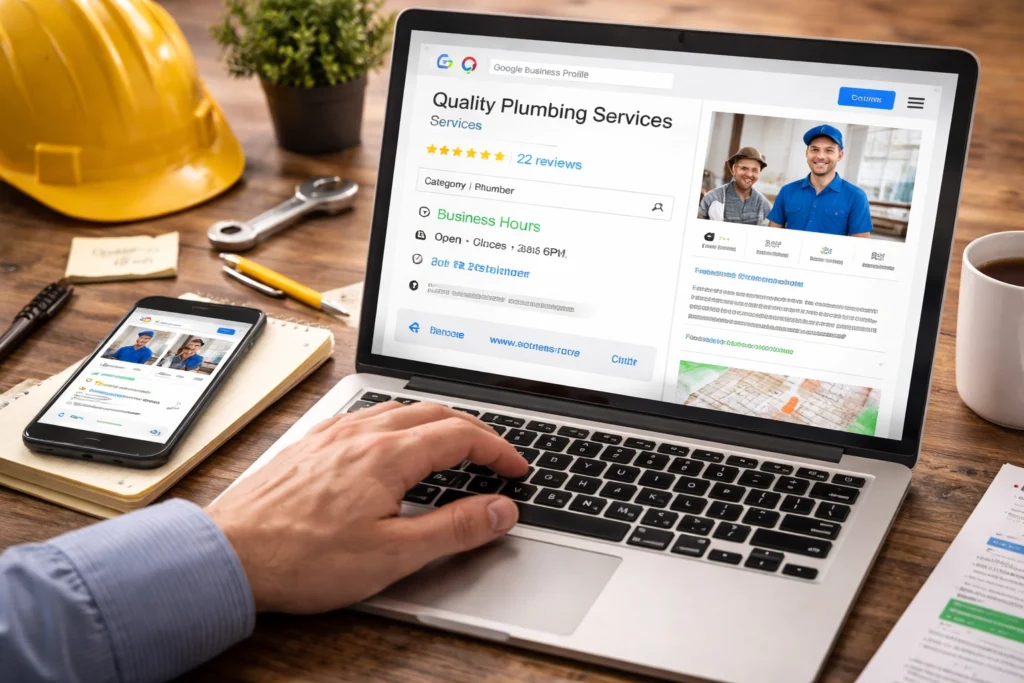
Your Google Business Profile is often the only interaction a potential lead has with your brand before deciding to call. In 2026, a set-it-and-forget-it profile is a ranking liability.
Maximize Category Depth
Choose one specific primary category, such as HVAC Contractor, and utilize all nine secondary slots with related services like Air Conditioning Repair Service or Heating Contractor. Google uses these categories to map your expertise to specific user needs.
The Freshness Signal
Upload at least three new project photos or videos every week. AI vision models now analyze your photos to verify your service area and the quality of your craftsmanship. A photo of a truck in a specific neighborhood tells the algorithm more about your service area than a written list of cities.
FAQ and Profile Completeness
Since GBP Q&A is no longer a dependable feature, move your most common customer questions to your website FAQ page and keep your Google Business Profile fully updated. Clear answers about emergency availability, financing, service areas, and scheduling help AI-driven local search surfaces understand and present your business more accurately.
2. Review Velocity and Sentiment Depth
Total review count matters less in 2026 than review velocity and sentiment depth. A business with 500 old reviews will often be outranked by a business with 50 recent and detailed reviews.
The 48-Hour Response Rule
Respond to every review within 48 hours. Search engines track response time as a signal of business operational health.
Keyword-Rich Responses
Naturally include the service and the city in your reply. For example: “Thank you, Jane! We were happy to help with your water heater installation in North Dallas.” This reinforces your geographic and topical relevance without appearing like spam.
Consistent Collection
Aim for a steady stream of two or three detailed reviews per month rather than a massive burst of reviews followed by months of silence. Consistency prevents your profile from being flagged as an inactive entity.
3. Advanced Local Schema Markup
Schema markup is the machine-readable language that tells AI exactly what your business does. It eliminates the guesswork for search algorithms.
Specific JSON-LD Types
Implement the most specific schema type possible, such as Electrician or Plumber, rather than the generic LocalBusiness tag.
ServiceArea Property
Use precise coordinates and a list of specific towns in your code to define your geo-fenced service area. This tells the algorithm exactly where your trucks are on the road.
Real-Time Availability
If your dispatching software allows, integrate Action Schema so users can see your next available opening directly in the search results. This reduces friction and leads to higher conversion rates for emergency services.
4. On-Page Hyper-Local Infrastructure
Your website must prove you are a local expert through content that a national competitor cannot replicate.
Location-Specific Service Hubs
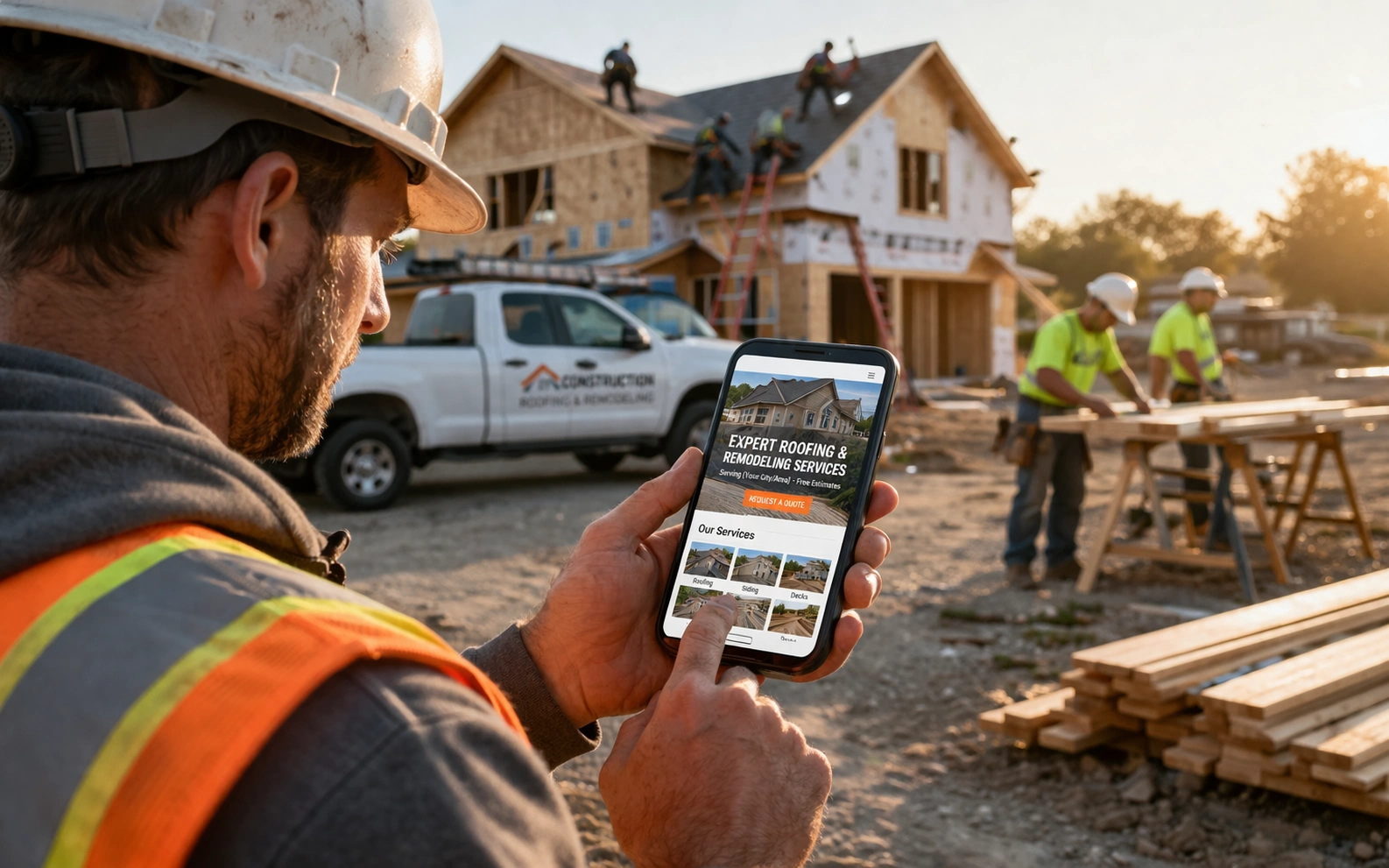
Create a dedicated page for every major city you serve. Include unique FAQs for that city, such as “Common roofing issues in [City Name] due to local climate.”
Geographic Context
Mention local landmarks, nearby streets, or regional hardware suppliers you use. This provides the geographic context that AI assistants prioritize when generating local recommendations.
5. NAP Anchor and Citation Accuracy
Search engines cross-reference your Name, Address, and Phone Number (NAP) across hundreds of sources simultaneously to verify your legitimacy.
The Big Four Priority
Ensure perfect consistency on Google, Apple Maps, Bing Places, and Yelp. A mismatched phone number or a slightly different business name can cause an entity mismatch that lowers your visibility.
Voice Search Readiness
Ensure your business description uses natural, conversational language. In 2026, homeowners often ask their smart devices, “Who is a highly rated plumber open now?” rather than typing “Plumber Dallas TX.” Your content should mirror the way people speak.
6. Local Backlink Digital Proof
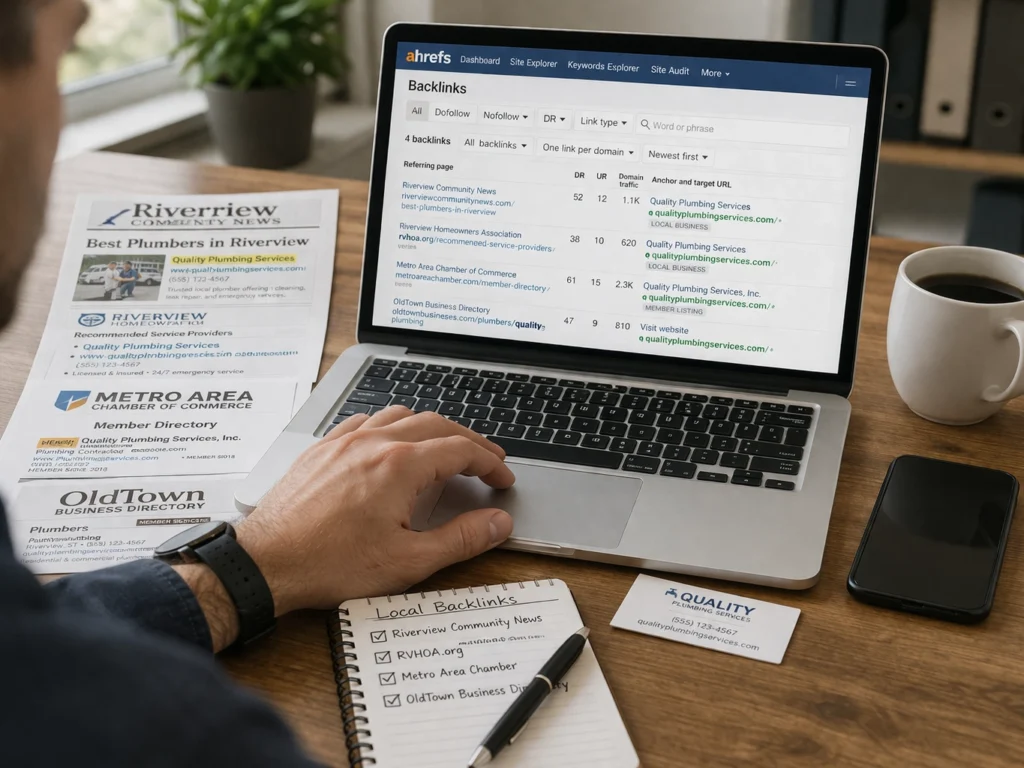
Traditional backlinks build authority, but local backlinks build geographic trust.
Manufacturer and Supplier Links
Get listed on the “Find a Dealer” or “Authorized Contractor” page of the brands you install. These are high-trust signals that confirm your technical expertise.
Community Endorsements
A link from a local high school sports team or a neighborhood association is often more valuable for local SEO than a link from a national blog. These links act as digital proof of residency.
Conclusion
Winning the local market in 2026 is about transparency and activity. The businesses that dominate the search results are those that treat their digital presence as a living extension of their physical work. By maintaining a clean technical foundation, engaging deeply with customer feedback, and providing hyper-local content, you prove to both humans and AI that you are the most reliable choice in your service area. This checklist is your roadmap to becoming the undisputed local authority in your trade.